"Stop that, it's bad manners." Many of us grew up hearing this. Rhythmic leg shaking, often called "fidgeting" or "poor shaking" in Japan, has a strong negative image.
However, recent studies have revealed that this movement actually has surprising health benefits. It is attracting attention as a way to reduce the health risks associated with sitting too much.
1. Protecting Your "Second Heart"
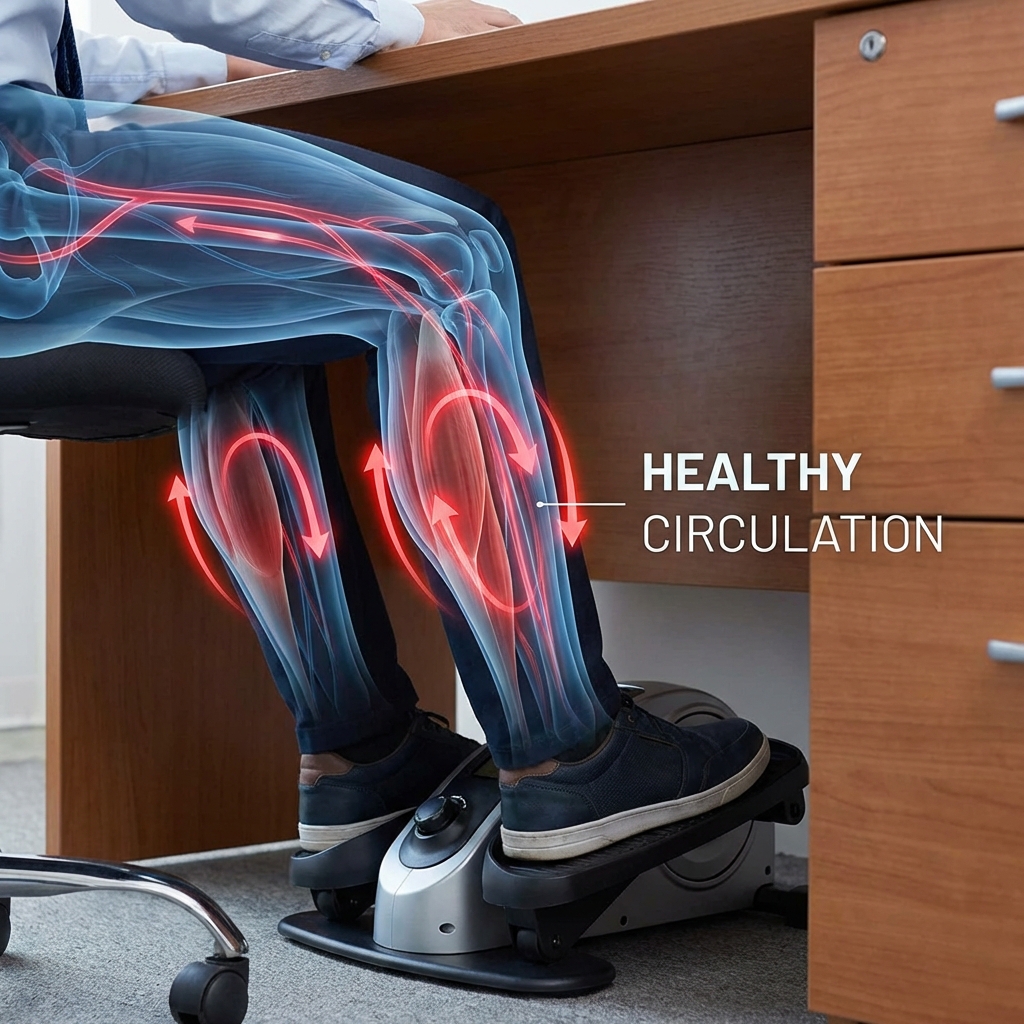
The scariest thing about sitting for long periods is the stagnation of blood flow in the legs, which can lead to blood clots (like Economy Class Syndrome).
The calves are called the "second heart" and play a role in pumping blood back to the heart against gravity. Leg shaking (moving the heels up and down) is a movement that forcibly activates this pump action.
Research Data:
A study from the University of Missouri has
shown that while sitting for 3+ hours reduces vascular function, fidgeting can prevent this
decline.
2. Stress Relief & Focus (Serotonin)

Do you ever find yourself unconsciously shaking your leg when you are irritated? This is actually a rational biological response.
Rhythmic movements like fidgeting promote the secretion of the neurotransmitter "serotonin" in the brain. Serotonin is also known as the "happiness hormone," and it stabilizes the mind and improves concentration. We are often unconsciously trying to relax our brains.
3. Burning Calories While Sitting (NEAT)
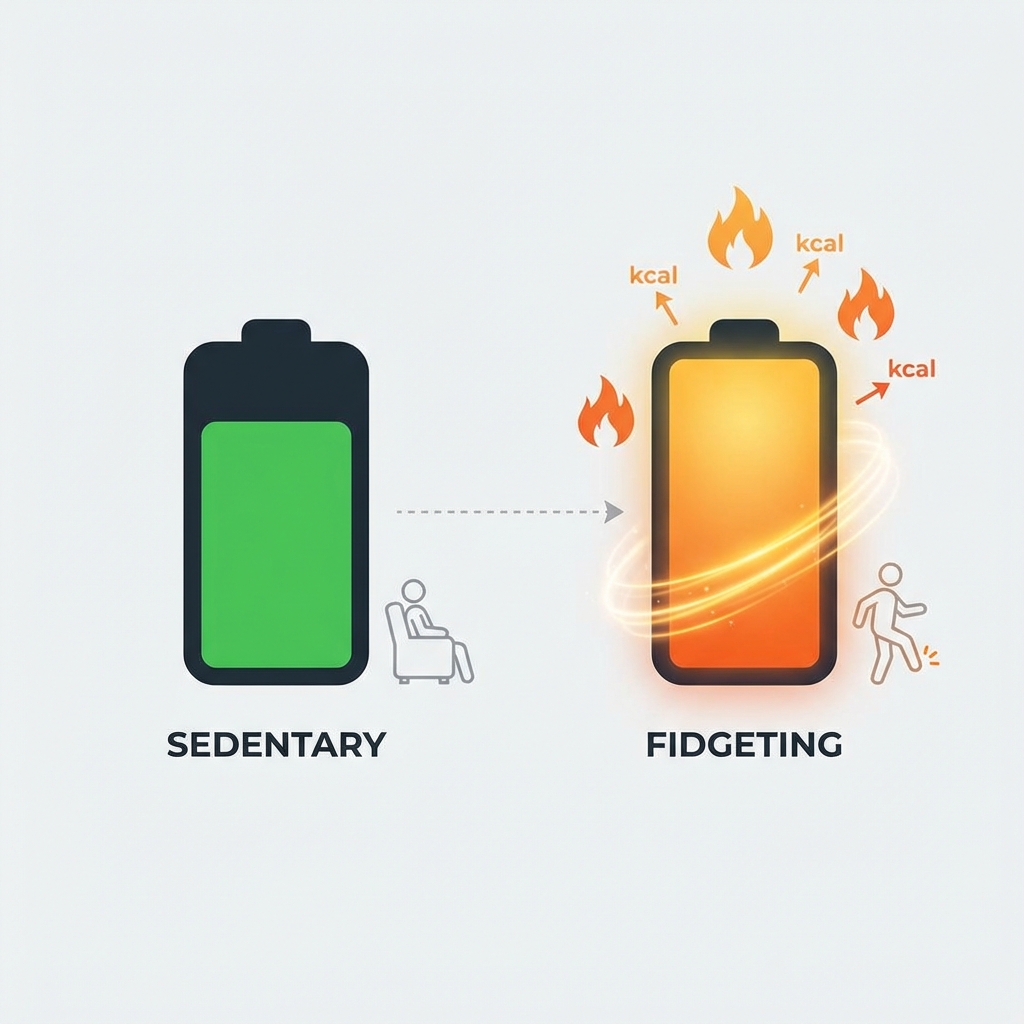
Have you heard of "NEAT" (Non-Exercise Activity Thermogenesis)? This refers to energy expenditure from daily activities other than intentional sports.
Fidgeting is a legitimate form of NEAT. Data suggests that energy expenditure increases by dozens of percent when fidgeting compared to sitting still. You can expect a "seated diet" effect.
Let's Call It "Health Shaking"
Of course, in public places or meetings, you should refrain from doing it as a matter of etiquette. However, why not actively shake your legs when working alone at your desk or relaxing at home?
It's not "poor shaking" anymore; it's "health shaking." Just by changing the name, it can become one of your healthy habits.