
Do you think "napping = laziness"?
Actually, as recommended by global companies like Google and Nike, a short nap is a powerful tool
that can dramatically improve work and learning performance.
In this article, we will introduce the benefits and correct practice methods of "Power Naps," a
strategic napping technique to regain concentration in the afternoon.
Why is "Napping" Important? 3 Benefits
1. Brain Fatigue Recovery and Concentration Boost
After morning activities, fatigue substances accumulate in the brain, and information processing ability declines. Taking a short sleep clears the brain's cache memory, restoring concentration and memory for the afternoon. NASA research has shown that a 26-minute nap improved pilot cognitive performance by 34% and alertness by 54%.
2. Stress Reduction and Lower Heart Disease Risk
Napping balances the autonomic nervous system and reduces stress hormones. According to a study by a Greek university, people who took a nap of about 30 minutes at least three times a week had a 37% lower risk of dying from heart disease compared to those who didn't.
3. Mood Improvement (Refresh Effect)
Drowsiness and fatigue can cause irritability and depression. Even a little sleep can make you feel refreshed and enable you to tackle afternoon activities with a positive mindset.
The Key to Success is "Time"!
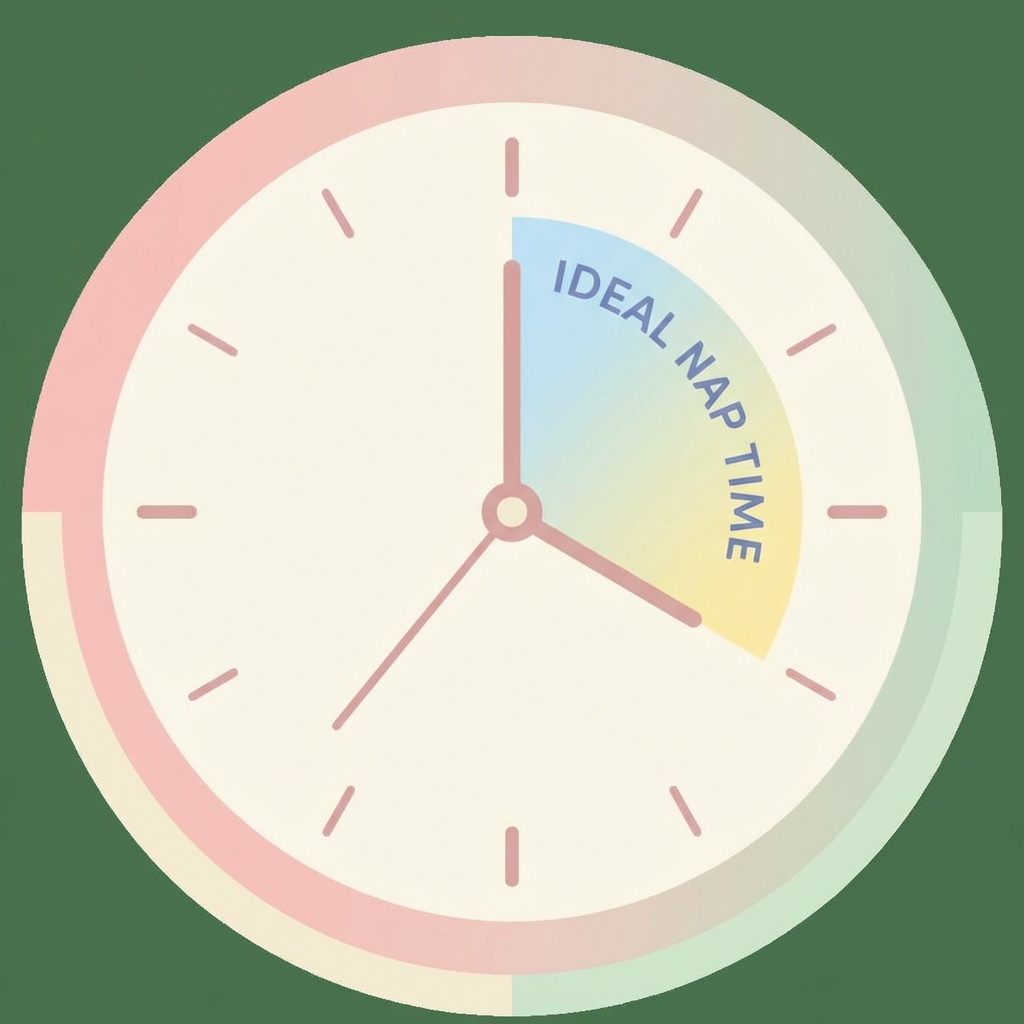
The most important setting for a "Power Nap" is "15 to 20 minutes".
- Within 20 minutes: You won't enter deep sleep (slow-wave sleep), so you'll wake up refreshed.
- 30 minutes or more: You enter deep sleep, resulting in strong drowsiness and lethargy (sleep inertia) after waking up.
When setting an alarm, it is recommended to set it for about "25 minutes later," taking into account the time it takes to fall asleep.
Double the Effect! "Coffee Nap" Technique

A trick to wake up even better is the "Coffee Nap". The method is very simple.
- Drink caffeinated coffee (or tea/green tea) just before napping.
- Take a nap of about 20 minutes immediately.
It takes about 20 to 30 minutes for caffeine to reach the brain and exert its awakening effect after
ingestion.
In other words, if you take a nap after drinking coffee, the caffeine will start working just when
you wake up, and you can wake up surprisingly sharp.
Precautions: Avoid These Naps!
- Napping after 3 PM: It may adversely affect night sleep. Finish napping by 3 PM (or 4 PM at the latest).
- Lying down too much: If you lie down heavily in bed, your body may enter "night sleep mode". A posture that is not completely relaxed, such as reclining a chair slightly or lying face down on a desk, is better.
For busy modern people, napping is not a waste of time but a smart investment.
Why not incorporate a "20-minute Power Nap" after lunch starting today and maximize your afternoon
performance?