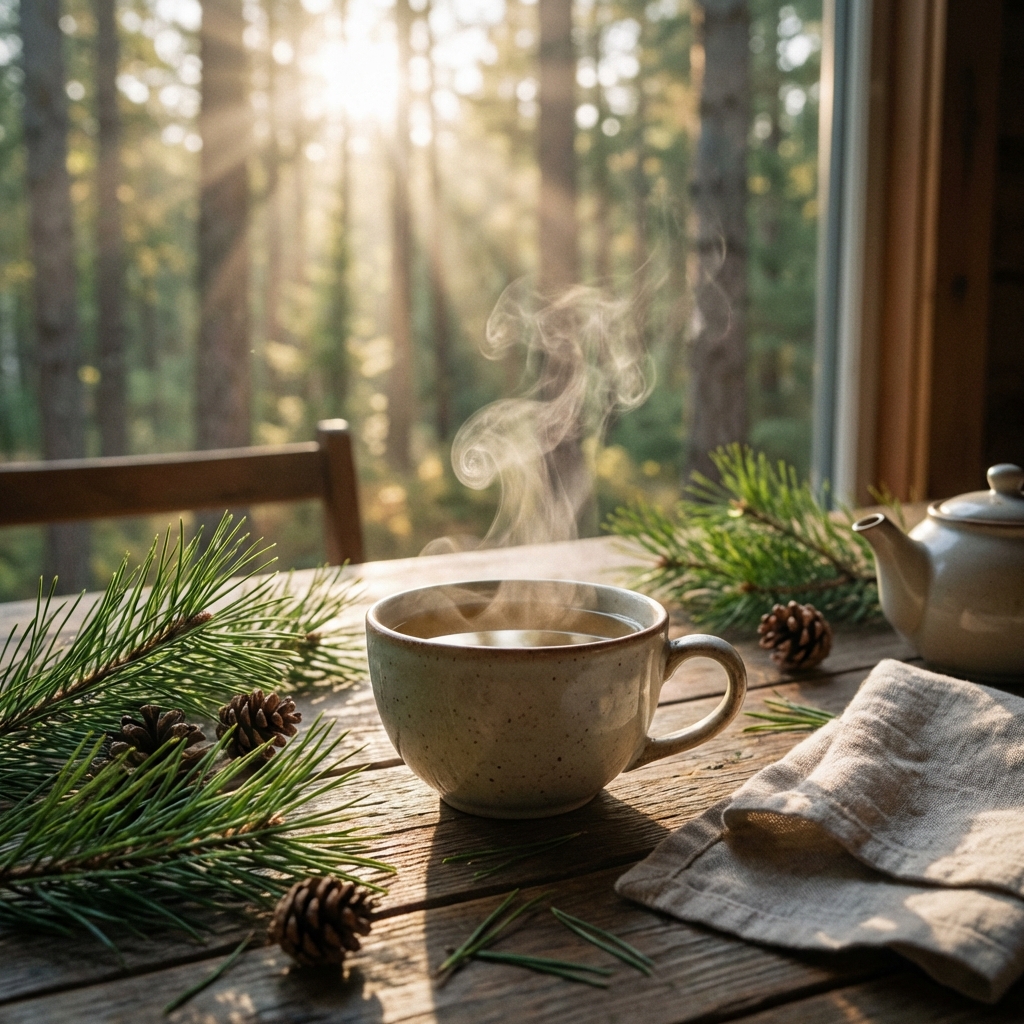
Have you been hearing more about "Pine Needle Tea" lately? In many cultures, especially in East Asia, pine trees have been revered as "symbols of longevity," and drinking tea made from their needles has been a long-standing tradition. Ancient medical texts like the Bencao Gangmu have even introduced pine needles as essential for maintaining vitality.
In the modern world, this tea is gaining attention once again. The reason lies in the unique compounds found in pine needles, which are suggested to be highly effective against health challenges faced by people today. In this article, we will explore the specific benefits of pine needle tea and how you can prepare it at home.
1. Surprising Nutrients in Pine Needles
Pine needles contain a wealth of unique components not often found in other herbal teas.
- Chlorophyll: Also known as "green blood," it assists in detoxing harmful substances from the body and helps prevent anemia.
- Quercetin: A type of polyphenol that can improve blood flow and keep blood vessels youthful.
- Terpenes: The source of the pine's fragrance. They provide a relaxing effect and help balance the autonomic nervous system.
- Vitamins: Rich in Vitamin A, C, and K. Notably, the Vitamin C found in pine needles is known for being remarkably heat-stable.
2. Key Health Benefits
Powerful Detoxification
Through the action of chlorophyll and other compounds, it supports the elimination of heavy metals and fine toxins accumulated in the body. Recently, research on "suramin" found in pine needles has sparked conversations about its potential purification abilities.
Vascular Health & Improved Flow
Quercetin and terpenes work together to strengthen vascular walls and help keep the blood flowing smoothly. It is highly recommended for those concerned about arteriosclerosis or high blood pressure.
Boosting Immunity
High antioxidant activity combined with abundant vitamins prevents oxidation in the body and strengthens the immune system against viruses and bacteria. It is an effective preventive measure during cold and flu seasons.
3. How to Drink & Precautions
While generally considered safe, please keep the following points in mind:
- Caffeine-Free: It contains no caffeine, making it safe for consumption before bed or by children.
- Pregnancy & Nursing: As its safety hasn't been fully established for these groups, it’s best to avoid it or consult a doctor first.
- Allergies: Caution is required for those with allergies to pine (Pinaceae) family plants.
4. How to Make Pine Needle Tea at Home
While ready-made tea bags are convenient, making it from fresh needles is a truly special experience.
- Harvesting: Collect young needles from Pinus densiflora (Red Pine) or Pinus thunbergii (Black Pine) from an unpolluted area.
- Cleaning: Wash them thoroughly with water and remove the brown caps at the base.
- Drying (Optional): Drying them in the sun for a few days enhances the aroma and makes them easier to store. (Fresh ones work too!)
- Boiling: Add 10-15g of needles to 1 liter of water. Once boiling, simmer on low heat for about 15 minutes.
It has a unique, forest-like scent, but once you get used to it, it is refreshing and easy to drink.
Adding lemon or honey makes it even more delicious.
Why not incorporate the wisdom of nature into your daily wellness routine with Pine Needle Tea?