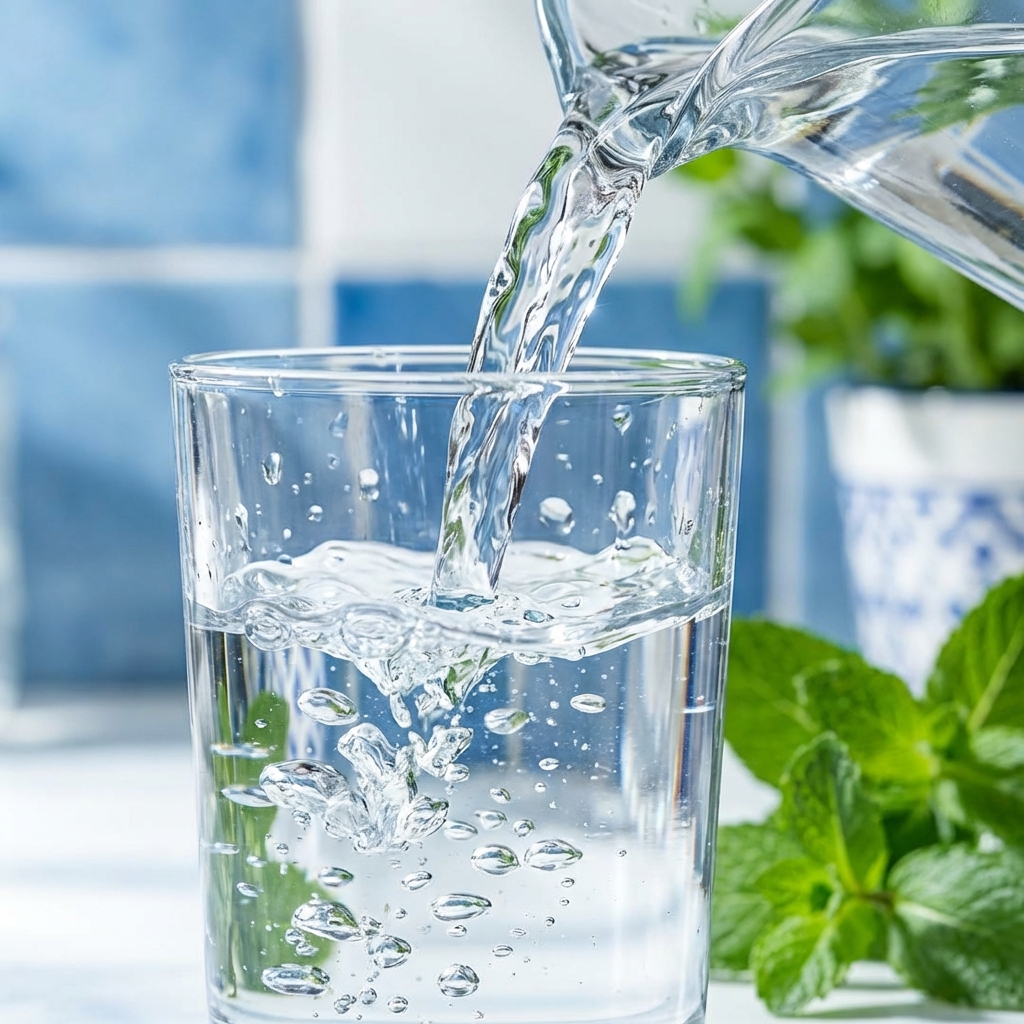
About 60% of our body is made of water. This fact is widely known, but few people truly understand what role that "60%" plays inside the body, or what happens when even a small fraction of it is lost.
When you feel "thirsty," your body is already issuing an emergency alert. In this article, we delve into the science of water, going beyond simple hydration to explore its critical role in life support and performance enhancement.
1. Brain Function Declines with Just 1% Loss
Losing just 1-2% of your body weight in water can cause noticeable changes in your body.
- Mild Dehydration (1-2% loss): Strong thirst, loss of appetite, and most terrifyingly, "Cognitive Decline". Concentration, memory, and calculation abilities drop significantly, reducing efficiency in work and study.
- Moderate Dehydration (3-5% loss): Headaches, nausea, fatigue, and impaired thermoregulation. Early symptoms of heatstroke begin to appear.
- Severe Dehydration (10%+): Muscle spasms, fainting, renal failure, and other serious life-threatening damage.
Research has shown that subjects in a state of mild dehydration have increased error rates in complex cognitive tasks compared to those who are well-hydrated. If you feel foggy during a meeting, it might not be lack of sleep, but lack of water.
2. The Terror of "Thick Blood"
One of the most important roles of water is to ensure smooth blood circulation. About 50% of blood is plasma (liquid component), and over 90% of that is water.
When water is insufficient, blood volume decreases and blood becomes concentrated—often referred to as "thick blood." In this state, blood clots form more easily, increasing the risk of stroke and heart attack. Since we lose water through sweat while sleeping, the risk is particularly high right after waking up in the morning.
3. Essential for Diet and Beauty
The theory that "drinking water helps you lose weight" has scientific backing. Drinking water stimulates the sympathetic nervous system, temporarily boosting energy metabolism. Additionally, drinking water before meals can increase satiety and help prevent overeating.
Water is also a lifeline for skin health. While moisturizing from the outside with expensive lotions is important, if internal moisture is lacking, cells themselves will dry out. Adequate hydration is arguably the most cost-effective and powerful skincare routine to maintain skin elasticity and turnover.
4. The Scientifically Correct Way to Drink Water
So, should you just chug water? The answer is NO. Drinking a large amount at once cannot be fully absorbed by the body and will simply be excreted.
Ideal Habit: Drink about one cup (approx. 200ml) divided into 7-8 times a day.
Recommended Timing:
- Upon Waking: The "Water of Life" to replenish moisture lost during sleep (approx. 500ml).
- During Meals: Helps digestion, but don't overdo it to avoid diluting gastric juices excessively.
- Before/After Bathing: Prepare for sweating.
- Before Bed: A light cup to prevent thick blood at night (without causing too many bathroom trips).
Water is the most basic "nutrient" for life. By circulating pure "water"—not coffee or juice—your cells will begin to function vibrantly. Why not start the habit of "one sip before you're thirsty" today? It might be the best investment for your future health.