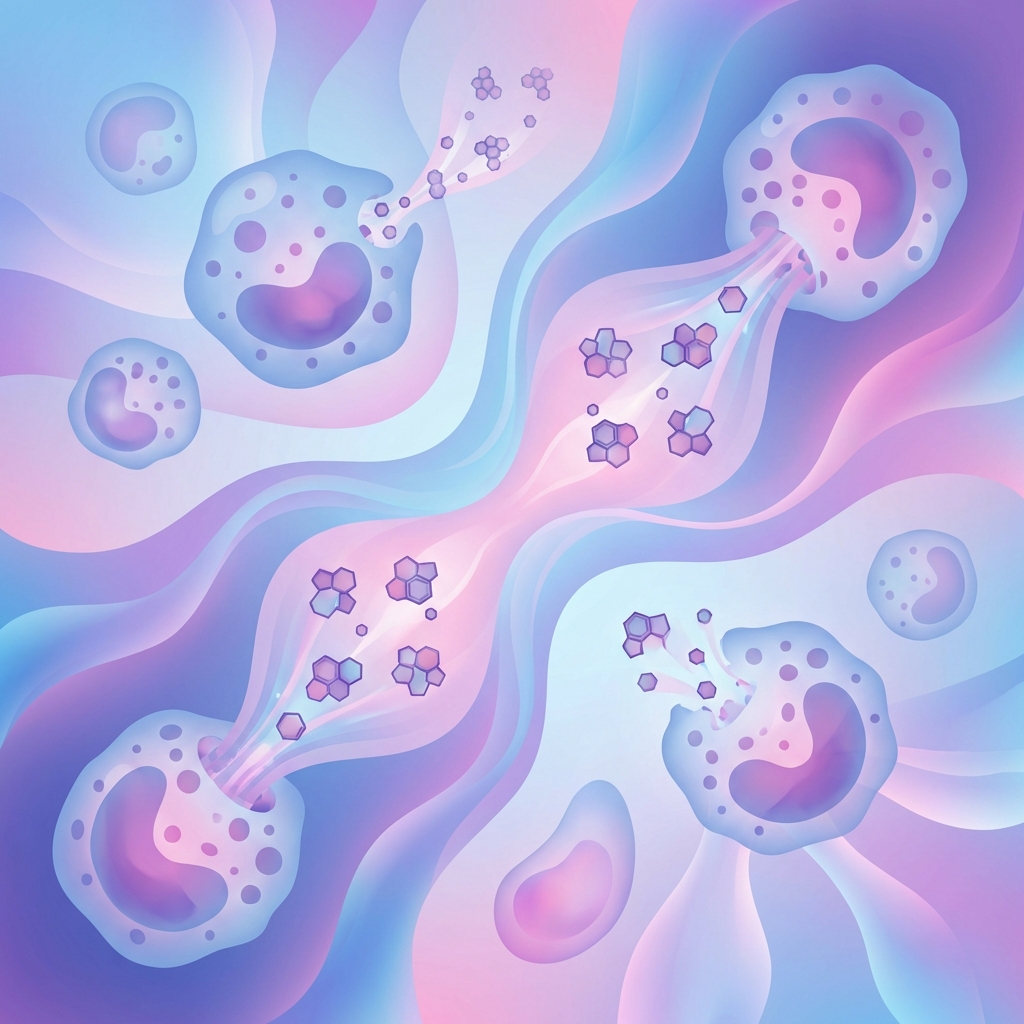
During allergy season, you've probably heard of "antihistamine medications." You may have also experienced "histamine poisoning" after eating fish, causing facial flushing or hives. The common keyword here is "histamine."
Histamine is an important chemical substance that works to protect our bodies, but when it becomes excessive, it can cause various uncomfortable symptoms. Recently, attention has been drawn to "Histamine Intolerance (HIT)", a condition that occurs through a different mechanism than allergies.
In this article, we'll explain in detail what histamine is, how allergic reactions work, and the differences between allergies and histamine intolerance, along with evidence-based solutions.
1. What is Histamine?
Histamine is a type of bioactive substance (chemical messenger) produced in our bodies. It's primarily stored in immune cells called "mast cells" and "basophils," and is released when needed.
Main Roles of Histamine
- Immune Response: Triggers inflammatory reactions to protect the body when foreign substances like bacteria or viruses invade
- Gastric Acid Regulation: Promotes gastric acid secretion to aid digestion
- Neurotransmitter: Involved in wakefulness, memory, and appetite regulation in the brain
- Vasodilation: Increases blood flow to deliver nutrients and immune cells to affected areas
In other words, histamine is an essential substance for protecting and maintaining normal body function.
2. Allergic Reactions and Histamine
However, when histamine is released excessively, it causes uncomfortable symptoms. A prime example is "allergic reactions."
Mechanism of Allergic Reactions
Allergies occur when the immune system overreacts to normally harmless substances (allergens) like pollen, dust mites, or foods. When allergens enter the body, IgE antibodies stimulate mast cells, causing a massive release of histamine.
Typical Allergic Symptoms Caused by Histamine
- Sneezing, runny nose, nasal congestion (hay fever, etc.)
- Itchy, red eyes
- Skin itching, hives
- Bronchial constriction (asthma)
- Severe cases: Anaphylactic shock (blood pressure drop, difficulty breathing)
💊 Antihistamine medications work by blocking histamine from binding to receptors, thereby suppressing these symptoms.
3. What is Histamine Intolerance?
Here's the key point. Separate from allergies, there exists a condition called "Histamine Intolerance (HIT)."
This is a state where the body's ability to break down histamine is reduced, causing histamine from food to accumulate in the body and trigger various symptoms.
Differences from Allergies
| Aspect | Allergy | Histamine Intolerance |
|---|---|---|
| Cause | Immune system overreaction | Deficiency in histamine-degrading enzymes |
| Onset Timing | Immediate (minutes to hours) | Delayed (hours to next day) |
| Testing | Can be determined by IgE antibody tests | No established clear testing method |
| Symptom Range | Specific to particular allergens | Various foods containing histamine |
Causes of Histamine Intolerance
Normally, histamine from food is broken down by an enzyme called "DAO (Diamine Oxidase)" in the small intestine. However, when DAO function decreases for the following reasons, histamine isn't broken down and accumulates in the body.
- Genetic Factors: Naturally low DAO enzyme activity
- Intestinal Inflammation: Leaky gut syndrome, IBD (Inflammatory Bowel Disease), etc.
- Medication Effects: Some antibiotics, painkillers, antidepressants inhibit DAO
- Alcohol Consumption: Alcohol suppresses DAO function and prevents histamine breakdown
- Hormonal Changes: Female hormones (estrogen) promote histamine secretion
Symptoms of Histamine Intolerance
Symptoms are very diverse and vary greatly between individuals, making diagnosis difficult.
- Digestive symptoms: Abdominal pain, diarrhea, nausea, bloating
- Skin symptoms: Hives, itching, redness, eczema
- Respiratory symptoms: Nasal congestion, sneezing, asthma-like symptoms
- Cardiovascular symptoms: Palpitations, arrhythmia, low blood pressure, dizziness
- Neurological symptoms: Headaches (especially migraines), fatigue, insomnia, anxiety
- Female-specific: Worsened menstrual pain, PMS (Premenstrual Syndrome)
4. Foods High in Histamine
People with histamine intolerance are advised to avoid foods high in histamine and foods that promote histamine release.
High-Histamine Foods
- Fermented Foods: Cheese (especially aged cheese), yogurt, kimchi, sauerkraut, miso, soy sauce, natto
- Seafood: Mackerel, tuna, sardines, saury and other blue fish (especially when not fresh), canned fish
- Processed Meats: Salami, sausages, ham, bacon
- Alcohol: Red wine, beer, champagne
- Others: Tomatoes, eggplant, spinach, avocado, dried fruits
Foods That Promote Histamine Release
- Citrus fruits (oranges, lemons, grapefruit)
- Strawberries, pineapple, bananas
- Chocolate, cocoa
- Nuts
- Processed foods with many additives
⚠️ Note: These foods aren't bad for everyone. Only consider restrictions if you suspect histamine intolerance.
5. Managing Histamine Intolerance
① Try a Low-Histamine Diet
First, try an "elimination diet" avoiding high-histamine foods for 2-4 weeks. If symptoms improve, histamine intolerance is likely.
Recommended Foods:
- Fresh meat, poultry
- Fresh white fish
- Eggs
- Rice, gluten-free grains
- Fresh vegetables (except tomatoes, eggplant, spinach)
- Fruits like apples, pears, melons
② Improve Gut Health
Since DAO is produced in the small intestine, maintaining intestinal health is crucial.
- Probiotics (but choose strains that don't produce histamine)
- Moderate fiber intake
- Avoid foods that may cause intestinal inflammation, like gluten or dairy
③ Consider DAO Supplements
Overseas, DAO enzyme supplements are available and can be taken before meals to help break down histamine. However, they're difficult to obtain in Japan, so consult with a doctor or nutritionist.
④ Stress Management and Sleep
Stress and sleep deprivation promote histamine release. Taking time to relax and ensuring quality sleep is also important.
⑤ Consult a Doctor
If symptoms are severe or you need to distinguish from other diseases, always visit a medical facility. Especially, consult with gastroenterologists, allergy specialists, or doctors knowledgeable in nutritional therapy.
Histamine is a necessary substance to protect our bodies, but when excessive, it causes various health issues. "Histamine intolerance" in particular has low awareness and is often overlooked as unexplained health problems.
If you're suffering from unexplained headaches, digestive issues, or skin problems, why not review your diet from a "histamine" perspective? The cause of your discomfort might be hiding in an unexpected place.