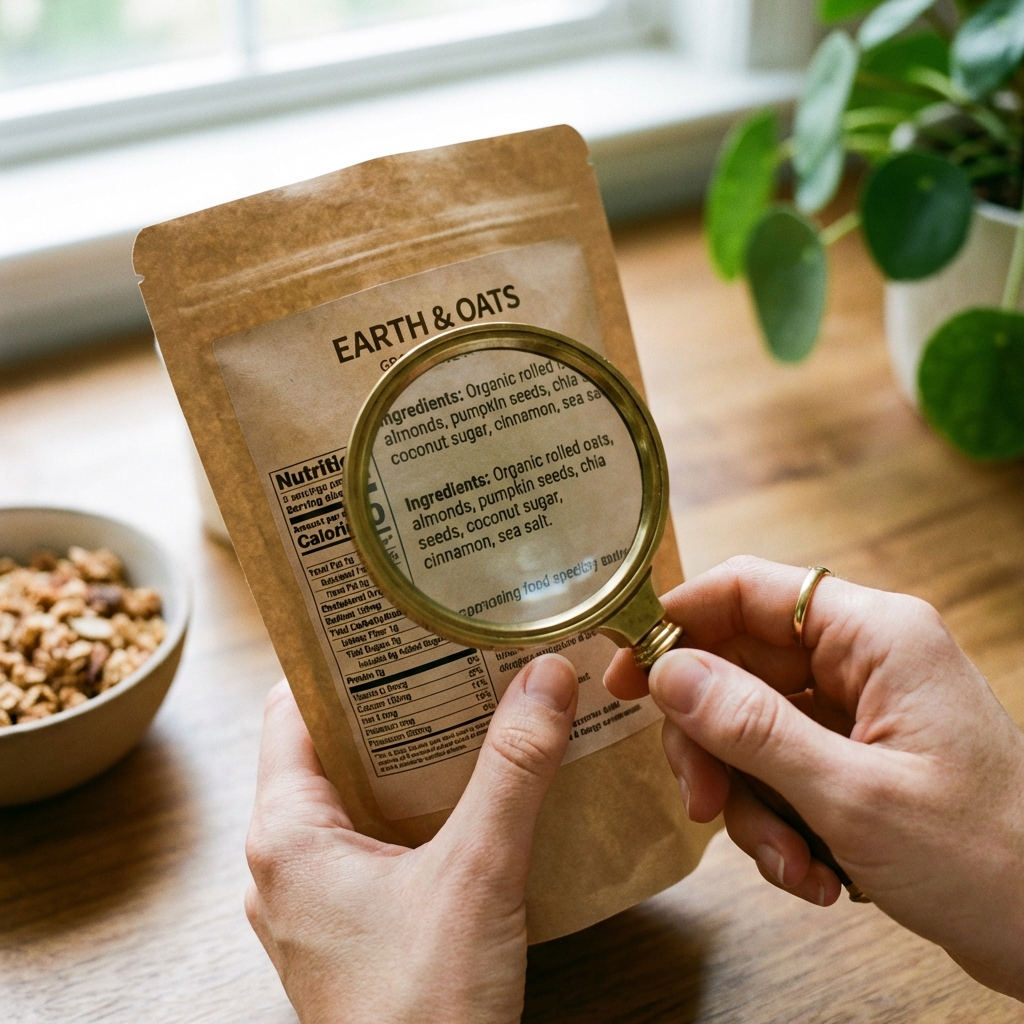
Foods you buy easily at supermarkets and convenience stores. They are colorful, have a long shelf life, and are cheap. However, behind that convenience, "food additives" that may threaten our health can be lurking.
Of course, not all additives are evil. However, some are widely used in certain countries despite being banned in others. In this article, we explain three additives that require special attention from a scientific perspective.
1. Artificial Sweeteners (Aspartame, Sucralose, etc.)
Artificial sweeteners are often used in "zero calorie" or "low carb" drinks and snacks. They have hundreds of times the sweetness of sugar, but to the brain, they are "foreign substances."
- Risk of Taste Impairment: Getting used to intense sweetness makes it difficult to perceive the natural sweetness of real ingredients.
- Worsening Gut Environment: Research suggests they may disrupt the balance of gut bacteria (flora) and cause glucose intolerance.
- Dependency: They create a craving for "more sweets," which could potentially lead to overeating.
2. Artificial Coloring (Red 40, Yellow 5, etc.)
Synthetic dyes used to make food look vivid are mainly tar dyes synthesized from petroleum products. These are chemical substances that do not exist in nature.
Concerns about their influence on children are particularly high. In some countries like the UK, mandatory warning labels stating "May have an adverse effect on activity and attention in children" are required for foods containing synthetic dyes. Links to allergic reactions and carcinogenicity are also suspected.
3. Preservatives & Color Fixatives (Sodium Nitrite, etc.)
Sodium nitrite is often used in processed meats like ham, sausage, and bacon. It is used to maintain a bright pink color, but it has very strong toxicity.
It is known that when sodium nitrite combines with amines found in meat, it changes into "nitrosamine," a powerful carcinogen. IARC (International Agency for Research on Cancer), part of the WHO, has also raised alarms about the carcinogenicity of processed meats.
Action for Today: Check the Label

The only way to protect yourself is to "know." Make it a habit to look at the back of the package before buying.
💡 Tips for Smart Choices
- Check the Ingredients List: Look for names you don't recognize as food.
- Avoid "Kitchen Strangers": If you see chemical names that you wouldn't find in a standard kitchen, be cautious.
- Choose less processed: Pork instead of ham. Olive oil and salt instead of commercial dressing. Choose items closer to their natural state.
Our bodies are made of what we eat. You don't need to be perfect, but developing an "eye for selection" little by little will surely make a big difference in your health 10 years from now.