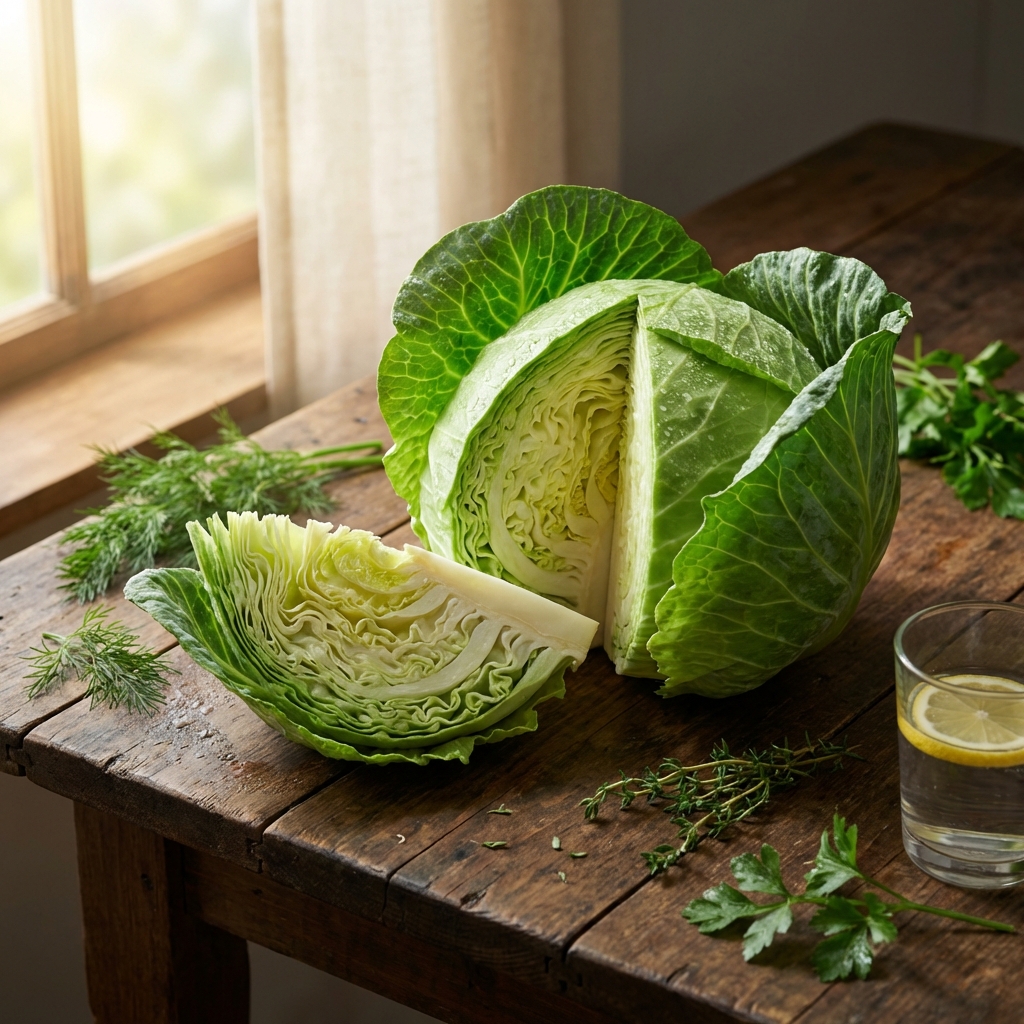
Cabbage is a common vegetable available in supermarkets year-round. However, this humble vegetable hides an incredible power for maintaining modern health.
While cabbage was prized as a "household medicine" in Ancient Roman times, recent scientific research has increasingly validated its legendary health benefits. This guide explores the science-based advantages of cabbage and how to maximize its nutritional intake.
1. Nature's Antacid: The Power of Vitamin U (S-Methylmethionine)
Perhaps the most famous nutrient in cabbage is Vitamin U. While not a vitamin in the traditional sense, this amino acid derivative (S-Methylmethionine) plays a unique role in digestive health.
Repairing and Protecting the Gastric Mucosa
Vitamin U helps suppress excessive gastric acid secretion and quickly repairs damaged stomach linings. Clinical data suggests that regular cabbage consumption can accelerate the healing of gastric and duodenal ulcers and contribute to their prevention.
Liver Detoxification Support
Vitamin U also supports healthy liver function by assisting in alcohol breakdown and helping to prevent fatty liver disease—making it a vital ally for the entire digestive system.
2. Cancer Prevention: The Isothiocyanate Connection
Cruciferous vegetables like cabbage contain powerful antioxidants known as isothiocyanates, which are formed when the vegetable is cut or chewed.
- Potent Anti-Cancer Properties: The National Cancer Institute (NCI) ranked cabbage near the top of its "Designer Foods" list for foods with potential cancer-preventive properties.
- Activating Detox Enzymes: Cabbage helps activate Phase II detoxification enzymes in the body, which promote the neutralization of carcinogens and other harmful toxins.
3. Essential Nutrients for Skin and Bone Health
Cabbage is surprisingly rich in Vitamin C and Vitamin K, essential for overall vitality.
- Immunity & Collagen: Just 2-3 large leaves can provide more than half of your daily required Vitamin C, supporting skin health and immune function.
- Bone Strength via Vitamin K: Cabbage provides Vitamin K, which is essential for bone mineralization and blood clotting, helping to prevent osteoporosis.
- Digestive Regularity: High fiber content supports healthy gut flora and ensures smooth digestion.
4. Smart Ways to Eat Cabbage (Don't Waste the Nutrients!)
The way you prepare cabbage can significantly impact its nutritional value.
- Eat it Raw (Shredded is best)
- Since Vitamins U and C are water-soluble and heat-sensitive, raw is ideal. Shredding cabbage breaks cell walls, which helps form beneficial isothiocyanates. Avoid soaking it in water for too long to prevent nutrient loss.
- Soups for Warm Cabbage
- If you prefer cooked cabbage, making a soup or stew allows you to consume the nutrients that leach into the cooking liquid. This is also gentler on the stomach when you're feeling unwell.
Before reaching for expensive supplements, consider adding a simple dish of cabbage to your daily meals.
Small dietary habits can become your most powerful medicine, protecting your body from the inside out.